Why shadow IT is really an adoption and experience problem
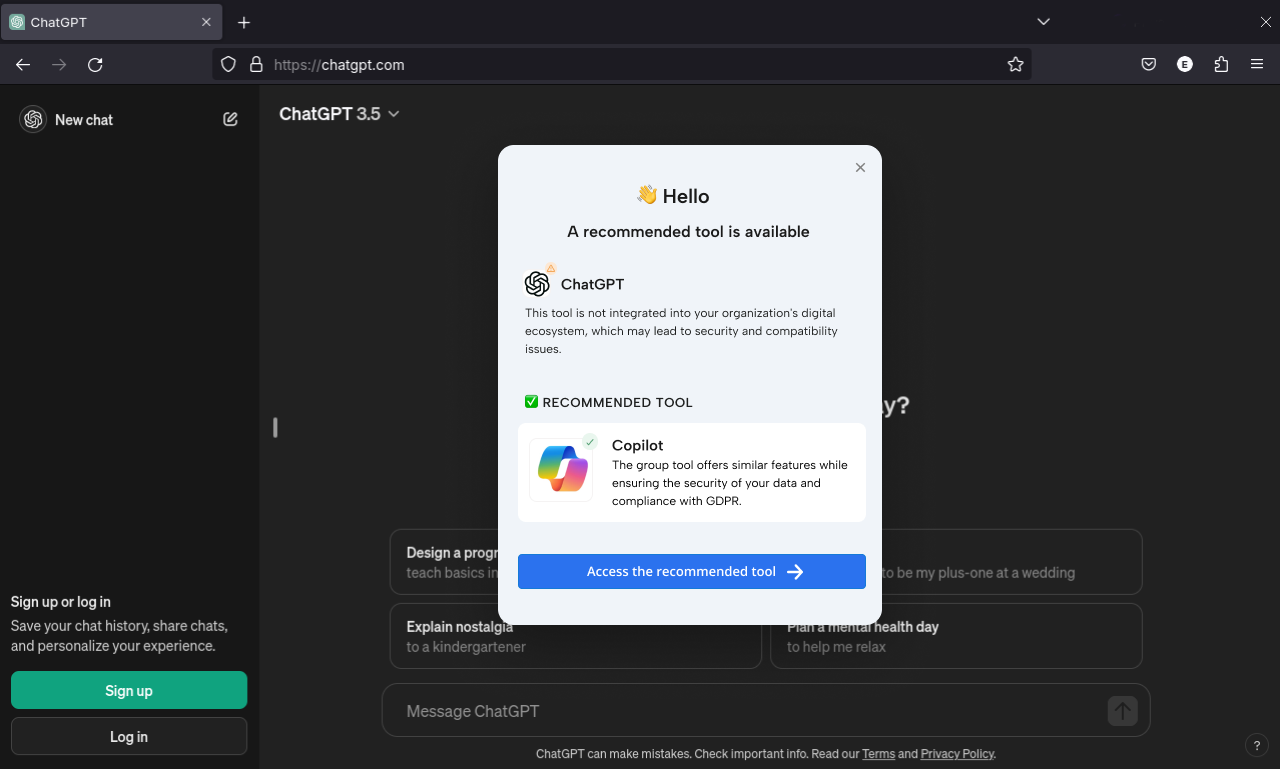
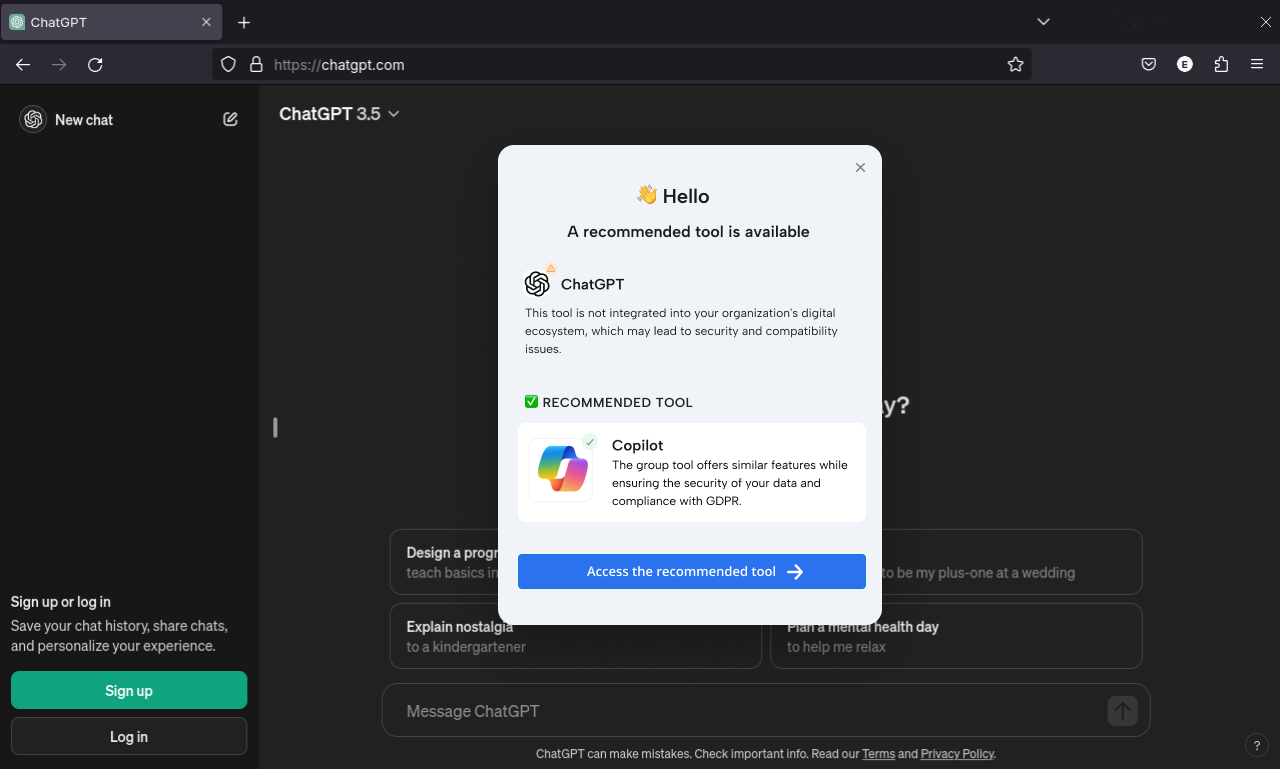
If you run IT for a mid-sized or large organisation, you already know you have a shadow IT problem. SaaS discovery tools, finance audits, or the occasional breach post-mortem keep reminding you that teams are buying and using unsanctioned apps well outside your governance model. What is less obvious, but more important, is that shadow IT is not primarily a discipline issue. It is an adoption issue.
Employees turn to unapproved tools when the official stack feels too hard, too slow, or too misaligned with how they actually work. If your response is only to tighten controls, you may reduce some risk, but you will also drive workarounds underground. To really change the picture, you have to tackle the root cause: the gap between what your portfolio can do on paper and what people can comfortably do in practice.
This article looks at shadow IT through a digital adoption lens. It is written for CIOs, IT Directors, Heads of Transformation, and Application Owners who are juggling governance, SaaS sprawl, and change fatigue. We explore why shadow IT keeps growing despite better tools, how poor adoption of core platforms fuels the problem, and how a Digital Adoption Platform (DAP) like Lemon Learning helps you shrink the shadow by making sanctioned routes faster and safer than the workarounds.
Shadow IT is a demand signal, not just a policy breach
Most definitions of shadow IT focus on risk: unsanctioned SaaS, personal cloud storage, rogue AI tools. Those risks are real. Unmanaged applications amplify exposure to data leaks, compliance failures, and cost overruns. Research consistently shows that many organisations are running more than twice as many SaaS apps as IT realises, with a long tail of single-user tools that were never approved.
But shadow IT is rarely malicious. It is usually the by-product of well-intentioned people trying to get work done when the official route does not work for them. Marketing teams sign up for campaign tools because the central platform is too rigid. Sales teams run forecasts in spreadsheets because CRM hygiene is poor and reporting does not reflect reality. HR managers track changes in Excel or on personal drives because the HRIS feels opaque and unforgiving.
In other words, shadow IT is often a symptom of two things:
A mismatch between standard platforms and the way business units actually operate.
Weak adoption of those platforms: people never got past basic logins to the workflows that matter.
That is why "find and block" strategies rarely deliver lasting value. You might remove one unapproved tool, but the unmet need that created it remains. Another app will appear to fill the gap unless you change the experience inside the sanctioned systems. Treating shadow IT only as a security problem is like treating a fever without treating the infection.
A more useful framing is to see shadow IT as a demand signal. Every unsanctioned app tells you something: where the official stack is too hard to use, where training has failed, where governance is too slow, or where your architecture has real functional gaps. Your job as CIO is not simply to suppress that signal, but to learn from it, and then use adoption levers to close the gap.
Operational tactics to reduce shadow IT with digital adoption
Once you accept that shadow IT is fundamentally a demand signal, the question becomes: how do you respond without turning the organisation into a police state? The answer is to combine better governance with much better enablement. That means making it easier to use the tools you already pay for, and proving that it is in people's interest to do so, while still drawing firm lines around risk.
Identify the hotspots first
Start by identifying where shadow IT clusters. In most enterprises, that means collaboration and file sharing, analytics, and single-purpose SaaS that teams adopted because official platforms felt too slow or too hard to use. Network and SaaS discovery data will show you how much is out there.
The real value, however, sits inside your shadow IT data: patterns of behaviour that reveal where employees are struggling, bypassing friction, or compensating for poor experience in sanctioned systems. Pair that with internal data: which official tools these teams were meant to be using, and where support tickets and complaints cluster.
Treat official tools like products, not utilities
Then treat those official tools like products you own, not utilities you provide. If marketing is living in unapproved email tools, dig into why your sanctioned marketing stack is painful: is it access, UX, missing integrations, or simply lack of in-context guidance? If managers are sharing HR data through personal drives, is your HRIS actually helping them complete self-service tasks, or do they get lost and fall back to whatever just works?
This is exactly where a Digital Adoption Platform such as Lemon Learning earns its keep. Instead of another slide deck about "why you must use the official system," you overlay Salesforce, Workday, Microsoft 365, your procurement portal, and other core tools with contextual walkthroughs, tooltips, and a self-service knowledge panel. The job of those in-app guides is simple: make the sanctioned route faster and clearer than the workaround.
For example, your procurement team might see a short guide the next time they open the new purchasing system, explaining in two sentences when to use it and then walking them through a typical request step by step. HR managers trying to run performance reviews in Workday can be greeted by a 60 to 90 second walkthrough that shows exactly how to launch, complete, and file reviews correctly, instead of circulating spreadsheets and personal notes. Employees looking for "how do I do X" answers can search an in-app help widget instead of opening a ticket.
Build a governance triage model
At the same time, use governance to narrow, not widen, the gap between policy and reality. Not all shadow IT is equally risky, and some of it can be formalised into your stack. Build a simple triage model. Some tools become "adopt and govern" candidates: IT brings them under SSO, security review, and contracts. Others, clearly redundant or unsafe, go onto a block-and-replace list, but only after you provide a credible alternative and in-app guidance in the official system.
The key is to align the incentives. If you shut down a beloved collaboration tool without giving people an equally usable path in Teams or your intranet, they will simply find the next workaround. If, instead, you couple enforcement with better in-app support on the official route, and show teams where shadow IT is increasing risk or cost, you shift the conversation from "IT won't let us" to "this is the easiest way to get work done and stay out of trouble."
Over time, shadow IT becomes less attractive because the official stack is both more capable and more humane to use. That is adoption work, not just lock-down work, and it is squarely in the CIO's remit. For a practical next step, see how to turn shadow IT data into your SaaS adoption roadmap.
FAQ
Frequently asked questions
Why is shadow IT a problem?+
Shadow IT creates blind spots for IT and security teams. Unmanaged apps can expose sensitive data, create compliance gaps, and inflate SaaS costs. But the deeper problem is what shadow IT reveals: employees are not getting enough value from the official stack to stay inside it.
What is an example of shadow IT?+
A sales team running pipeline forecasts in personal spreadsheets because the CRM feels too cumbersome, or an HR manager sharing performance data over a personal cloud drive because the HRIS is hard to navigate. Both are classic cases where poor adoption of sanctioned tools drives workarounds.
How do you reduce shadow IT without blocking productivity?+
Combine governance with better enablement. Tighten policy on high-risk tools, but also make the official stack easier to use through in-app guidance, contextual walkthroughs, and self-service help. When the sanctioned route is faster than the workaround, the incentive to go off-piste falls.
How to get rid of shadow IT?+
You cannot eliminate it entirely, and that should not be the goal. Focus on visibility into what is running, clear policies on acceptable risk, and a serious investment in digital adoption so employees find it easier to work inside governed tools than outside them.