Force Field Analysis: How to Balance Driving and Restraining Forces for Successful Change
Force field analysis helps organizations map driving and restraining forces before implementing change. Learn how it works, how to apply it, and where it
Step 3: Prioritize Actions to Strengthen Driving Forces and Reduce Resistance
Real-World Applications of Force Field Analysis
Advantages and Limitations of Force Field Analysis
Force field analysis is a decision-making tool that maps the forces driving and restraining a proposed change, so leaders can act on the right pressure points before a transition begins. Developed in the 1940s by social psychologist Kurt Lewin, the method identifies driving forces that push toward change and restraining forces that push against it. When the driving forces outweigh the restraining ones, change becomes viable. When they do not, the analysis shows exactly where to intervene. Organizations use it widely in change management planning to anticipate resistance and make informed decisions.
What Is Force Field Analysis?
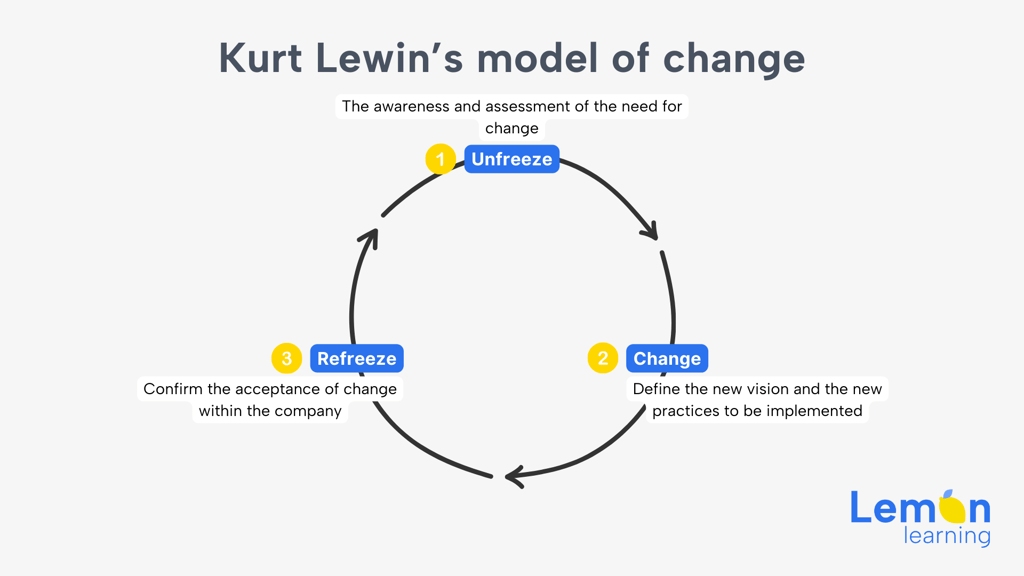
Force field analysis is a structured framework for evaluating the competing forces that influence any proposed organizational change. Kurt Lewin, who also created the three-stage Unfreeze-Change-Refreeze model, designed it to help leaders visualize why a situation stays stable and what it would take to shift it. The core idea is that the current state of any system is held in equilibrium by opposing forces. Change happens only when that equilibrium is deliberately disrupted.
The Two Types of Forces in Lewin's Model
Lewin's force field analysis rests on two categories of force:
Driving forces promote change. Examples include market pressure, technological advancement, efficiency gains, cost savings, and leadership commitment.
Restraining forces resist change. Examples include employee resistance, skill gaps, budget constraints, fear of disruption, and competing priorities.
Lewin embedded this concept in his three-stage change model, which moves through unfreezing (preparing the organization), changing (implementing new behaviors), and refreezing (stabilizing the new state). Force field analysis is most useful in the unfreezing stage, where understanding the balance of forces shapes the entire approach to the transition.
Objectives of Force Field Analysis
The primary objective is to give decision-makers a clear, visual picture of what is working for a change and what is working against it, before resources are committed. Specifically, the analysis helps organizations:
Anticipate obstacles early, so they can be addressed rather than discovered mid-implementation.
Reinforce supporting factors to increase the overall momentum toward the desired outcome.
Reduce resistance by targeting the restraining forces with the highest impact scores.
Communicate the rationale for a decision to stakeholders in a transparent, structured way.
A well-executed field force analysis translates a complex change situation into a manageable action plan, which is why it remains a standard component of a successful change management strategy.
Key Steps to Conduct a Force Field Analysis
Conducting a force field analysis follows a repeatable three-step process. Using a force field analysis template, whether a whiteboard diagram or a spreadsheet, helps keep the exercise structured and inclusive.
Step 1: Identify Driving and Restraining Forces
Define the proposed change clearly at the top of the template, then list every force that supports it on one side and every force that opposes it on the other. Engage stakeholders from multiple functions to avoid blind spots. Driving forces might include regulatory requirements, competitive pressure, or efficiency goals. Restraining forces might include low digital literacy, limited budget, or distrust of leadership.
Step 2: Assess the Strength of Each Force
Assign a numerical score to each force, typically on a scale of 1 (weak) to 5 (strong). Total both sides. If the restraining forces score higher, the change is unlikely to succeed without deliberate intervention. This scoring step makes the balance of power visible and gives teams an objective basis for setting priorities.
Step 3: Prioritize Actions to Strengthen Driving Forces and Reduce Resistance
Focus on the forces where action will move the score most. Practical options include:
Improving communication to clarify the personal and organizational benefits of the change.
Providing targeted training and hands-on support to close skill gaps.
Securing visible leadership sponsorship to signal organizational commitment.
Removing procedural or resource barriers that inflate restraining force scores.
"Nobody resists change; everybody resists change pushed by others. So change has to come from oneself."
Real-World Applications of Force Field Analysis
Force field analysis applies to any situation where a deliberate change is being considered. Two common organizational examples illustrate the method in practice.
The scores are close, so the team would focus on reducing employee resistance through structured onboarding and in-app guidance to tip the balance toward adoption.
Example 2: Transitioning to a Remote or Hybrid Work Model
Driving forces include increased flexibility, reduced real-estate costs, and access to a wider talent pool. Restraining forces include productivity concerns, collaboration difficulties, and cybersecurity risks. The analysis guides investment decisions: if cybersecurity scores high as a restraining force, that is where budget and training effort should go first.
Advantages and Limitations of Force Field Analysis
Force field analysis is valuable, but it works best when its limitations are understood and addressed with complementary tools.
Advantages
Limitations
Provides a clear visual map of competing forces
Scoring is subjective and depends on data quality
Supports structured, evidence-based decisions
May oversimplify highly complex change situations
Encourages proactive resistance management
Does not account for forces that emerge during implementation
Useful for communicating change rationale to stakeholders
Requires genuine stakeholder input to be meaningful
To address these limitations, organizations often pair force field analysis with tools such as stakeholder mapping, risk registers, or the ADKAR (Awareness, Desire, Knowledge, Ability, Reinforcement) model to build a more complete picture of the change landscape.
FAQ
Frequently asked questions
What is an example of a force field analysis?+
A common example is a company implementing new software. Driving forces include cost savings, improved efficiency, and cloud accessibility. Restraining forces include employee resistance, high training costs, and workflow disruption. Each force is scored by strength, and the team develops actions to amplify driving forces and reduce restraining ones.
What is the difference between SWOT and force field analysis?+
A SWOT (Strengths, Weaknesses, Opportunities, Threats) analysis evaluates an organization's overall strategic position across four categories. Force field analysis focuses specifically on a single proposed change, mapping the forces that support or resist it. SWOT is broader and strategic; force field analysis is narrower and action-oriented around a defined change goal.
What is Kurt Lewin's force field analysis?+
Kurt Lewin, a social psychologist, developed force field analysis in the 1940s as part of his work on organizational change. The model holds that any situation is held in balance by competing driving forces (pushing for change) and restraining forces (resisting change). To achieve change, leaders must either strengthen driving forces, weaken restraining forces, or both.
How do you perform a force field analysis?+
First, define the proposed change clearly. Second, list all driving forces that support the change and all restraining forces that oppose it. Third, score each force on its strength, typically on a scale of 1 to 5. Fourth, total the scores on each side to see which outweighs the other. Finally, develop specific actions to reinforce the strongest driving forces and reduce the most significant restraining forces.